

Are you struggling to find blog post ideas and keywords that can boost your site’s traffic? In today’s competitive landscape, staying ahead of your competitors can be tough.
However, with the right AI SEO trick, you can easily analyze your competitors’ content and uncover opportunities they’re dominating.
This post will walk you through how to leverage ChatGPT to analyze your competitors’ keywords and content for SEO success.
Key Takeaways
- Use AI tools like ChatGPT to extract and analyze your competitors’ blog post ideas from their XML sitemaps.
- Organize and compare your blog posts to your competitors’ content to identify content gaps.
- Generate fresh blog post ideas and SEO titles based on competitors’ strengths and your site’s gaps.
What is the AI SEO Trick?
The AI SEO trick we’re discussing is all about using AI tools like ChatGPT or Claude to analyze your website and your competitors’ websites.
By scraping your competitors’ blog posts from their XML sitemaps, you can compare their content with yours, identify missing keywords, and generate new blog post ideas.
This method helps you pinpoint untapped opportunities and stay competitive in your niche. Let’s break down the steps to implement this strategy.
Step 1: Scrape Your Website
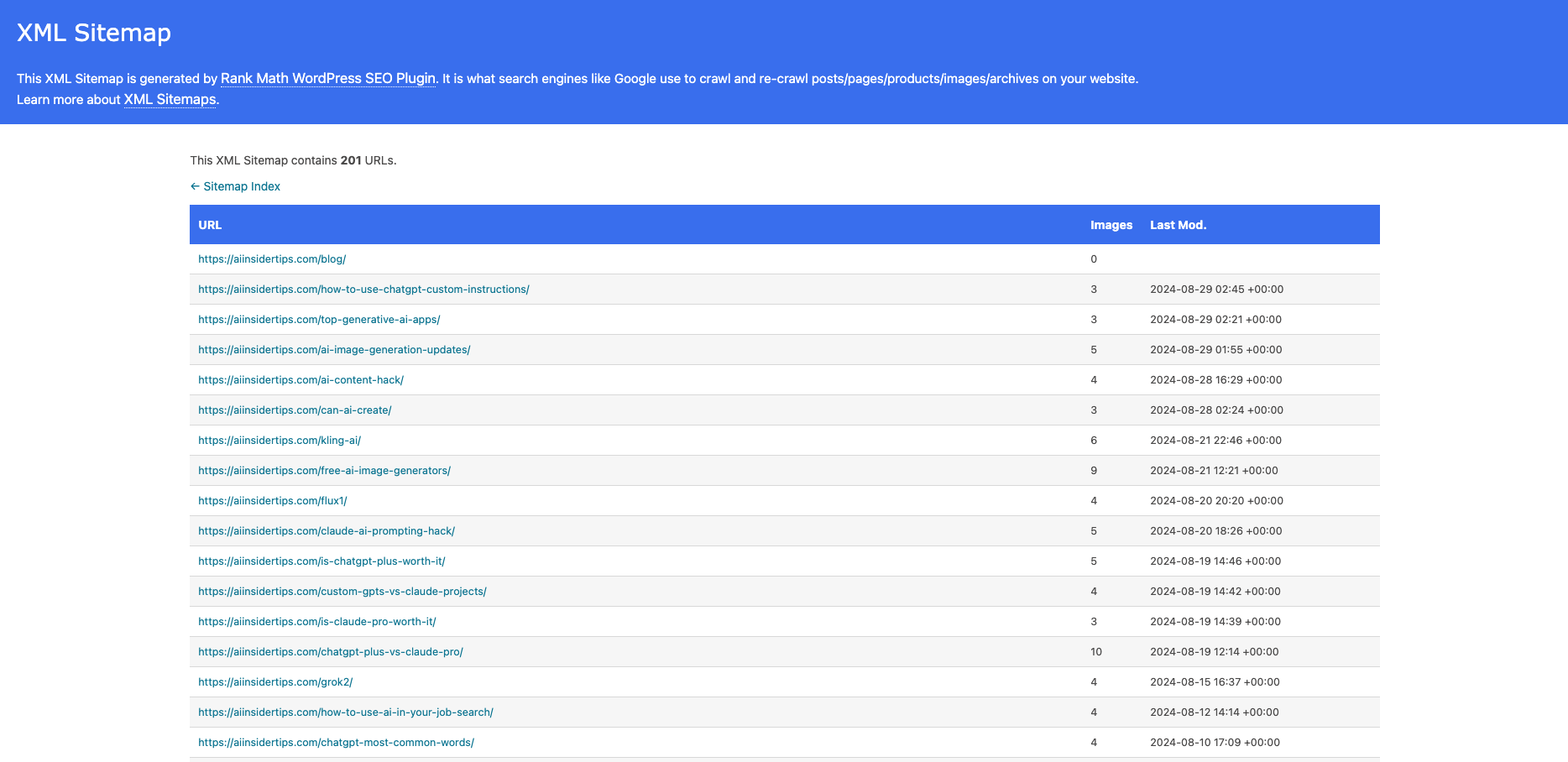
Before you can compare your content to competitors, you need a complete list of your blog posts. Start by locating your website’s XML sitemap. This will give you access to a structured list of all the pages on your site.
- Open your website and add
/sitemap.xmlor/sitemap_index.xmlto the URL. - Find the section of the sitemap that includes your blog posts (this might be called “post sitemap”).
- Copy all the blog URLs and paste them into a Google Sheet. This will help you stay organized and ensure you’re not duplicating content.
By doing this, you’ll have a clear snapshot of all your existing blog posts and can see what topics you’ve already covered.
Step 2: Scrape Your Competitors’ Websites
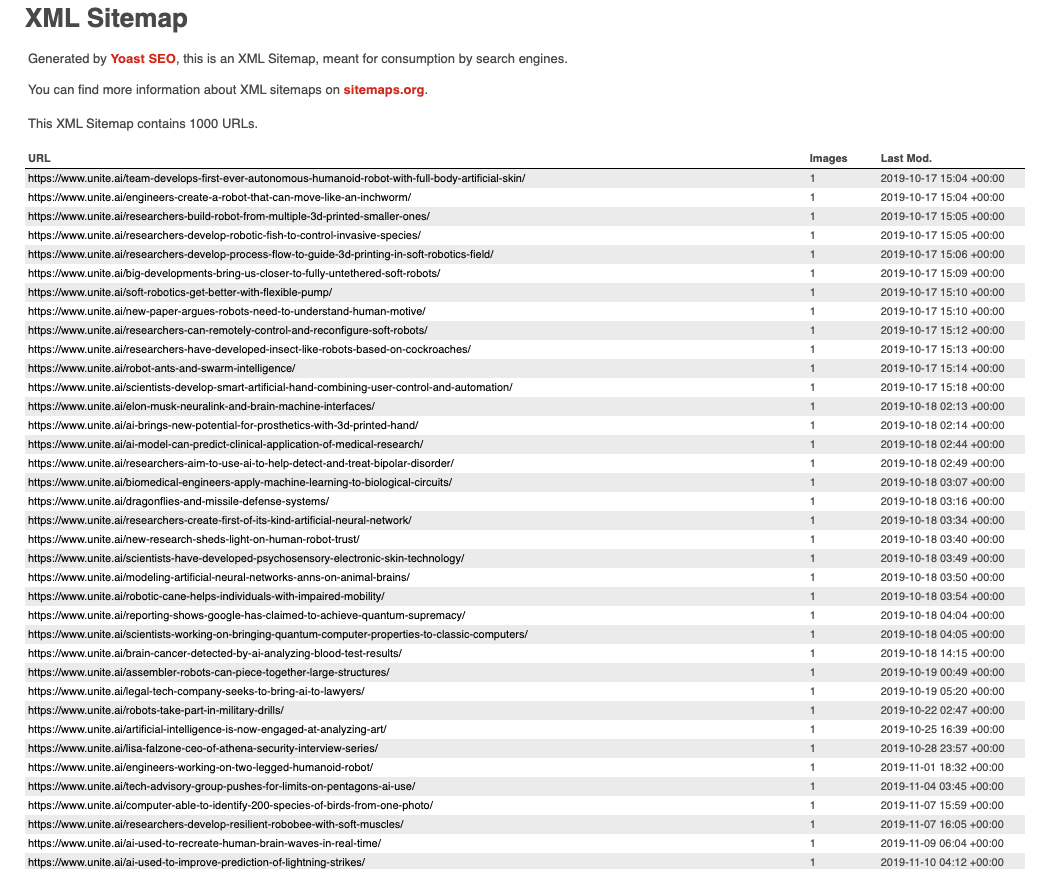
Now that you’ve gathered your own blog posts, it’s time to look at what your competitors are writing. You can repeat the same XML sitemap scraping process for your competitors’ websites.
- Open your competitor’s website and add
/sitemap.xmlto their URL. - Look for the section that lists their blog posts.
- Copy and paste this data into a new tab in your Google Sheet.
It’s helpful to do this for at least two to three of your top competitors. This ensures you get a wider view of the market, giving you more blog post ideas to choose from.
Step 3: Use AI to Analyze the Data
Once you’ve gathered all the URLs from both your site and your competitors’, the fun begins. AI tools like ChatGPT can analyze the data and suggest new content ideas.
Here’s how you can do it:
- Open ChatGPT (or Claude).
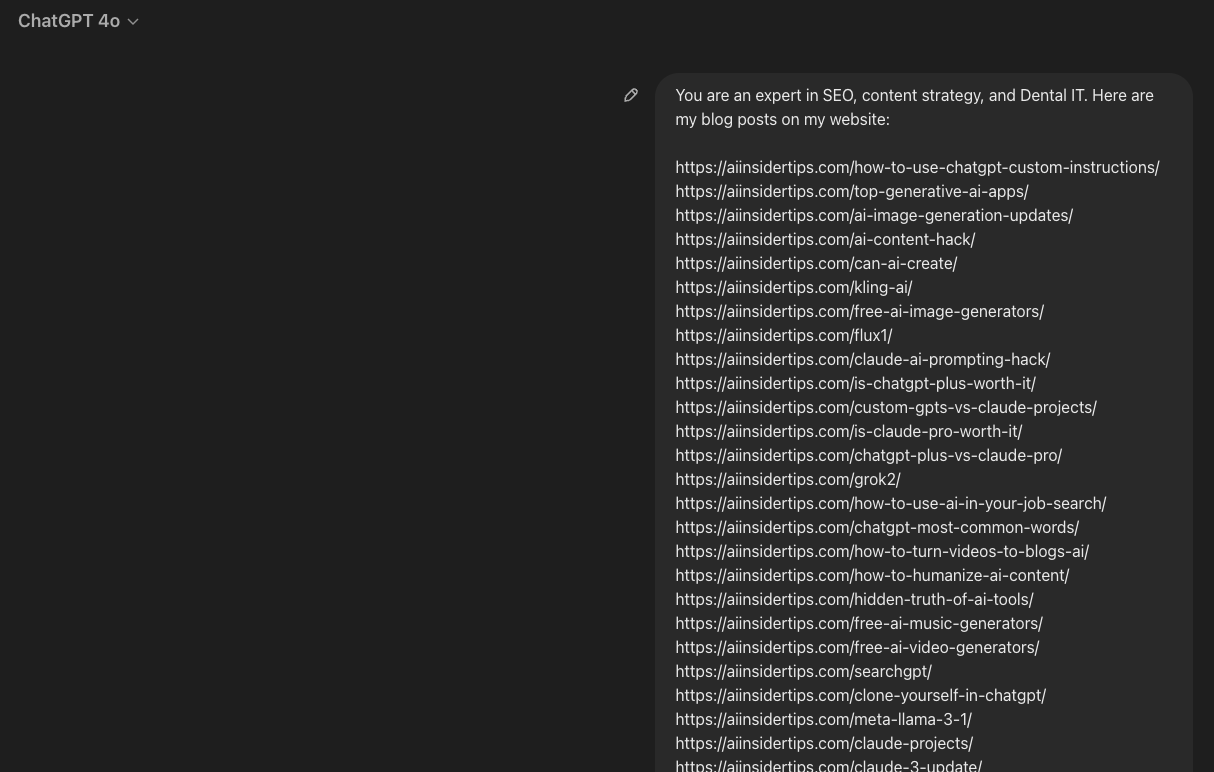
- Input a prompt asking it to analyze both your blog posts and your competitors’ blog posts. Be sure to mention that you want to remove duplicate ideas and focus on new, untapped topics.
- Paste the blog URLs you copied from your site and your competitors’ sites into the prompt.
An example prompt might look like this:
“Analyze the following blog posts from my site and my competitor’s site. Identify any missing content gaps and generate blog post ideas, SEO titles, and target keywords. Format the results in a table.”
ChatGPT will then analyze the content and generate fresh ideas based on what your competitors are covering that you haven’t touched yet.
Step 4: Evaluate and Select Blog Post Ideas
Once you receive your AI-generated ideas, it’s time to sift through them. The key here is to focus on topics that are relevant to your niche and can target keywords your competitors might be missing.
For example, if ChatGPT suggests topics like “AI for Startups” or “AI in Cybersecurity,” and your competitors are writing heavily on AI in healthcare, this could be an opportunity for you to cover different angles that appeal to your audience.
Example Content Gap Table:
| Blog Post Idea | Target Keyword | SEO Title |
|---|---|---|
| AI for Startups | AI startup strategy | “How Startups Can Leverage AI to Accelerate Growth” |
| AI in Financial Trading | AI financial trends | “Top AI Trends in Financial Trading for 2024” |
| Ethical Implications of AI | AI ethics | “Understanding the Ethical Implications of AI” |
By selecting the most relevant blog post ideas and strategically targeting the right keywords, you can significantly improve your SEO performance.
Benefits of Using This AI SEO Trick
This AI SEO trick is powerful because it automates much of the competitive research process. Here are some benefits you’ll see:
- Saves Time: Instead of manually searching through competitors’ blogs, AI can do the heavy lifting for you by quickly analyzing large sets of data.
- Increases Relevance: The blog post ideas generated by AI are based on your specific niche, which helps you stay relevant to your audience.
- Identifies Content Gaps: This process highlights opportunities that your competitors are covering, which you can use to fill gaps in your own content strategy.
Step 5: Implement Your New Content Strategy
With a list of new blog post ideas in hand, it’s time to put them into action. Here’s a simple plan:
- Prioritize the topics that have the most potential based on your current SEO needs.
- Use AI tools like ChatGPT to help generate outlines and first drafts of these posts.
- Optimize the blog posts for your target keywords and publish them on your site.
Remember, while AI is helpful, it’s important to review and refine the content to fit your brand’s voice and ensure it’s high quality. AI is also perfect for remixing and repurposing existing content.
Final Thoughts
By using this AI SEO trick, you can quickly identify content gaps between your site and your competitors’ websites.
This strategy will help you generate fresh ideas, target new keywords, and ultimately improve your website’s rankings. Remember, SEO is all about staying ahead of the competition, and with the power of AI, this process is simpler than ever.
FAQs
Can I use the free version of ChatGPT for this trick?
Yes, this AI SEO trick works with both the free and paid versions of ChatGPT, though the paid version offers more robust capabilities.
How many competitors should I analyze?
Ideally, you should analyze two to three competitors to get a broad enough range of blog post ideas.
What if my competitors have private or hidden sitemaps?
Some websites may not have easily accessible XML sitemaps, in which case you can use tools like Screaming Frog to crawl and analyze their site.
Can I do this manually without AI?
While you can manually gather and compare blog posts, using AI significantly speeds up the process and offers smarter insights.
How often should I perform this analysis?
Performing this analysis every few months ensures that your content remains competitive and up to date with current trends.


