
Can AI create? In this article, I’ll share my insights on the reality of AI’s creative abilities and explain why AI can’t truly create original content.
I’ve noticed a growing misconception about artificial intelligence’s ability to create. Many people believe AI can generate completely original ideas and content.
Key Takeaways
- AI cannot create original content; it can only remix and repurpose existing data
- AI-generated content, including text, images, and videos, is based on vast amounts of pre-existing information
- Understanding AI’s limitations is crucial for ethical use and managing expectations in various industries
Can AI Create? Video Recap
The Misconception of AI Creation
In my work with AI, I’ve encountered many people who believe that AI tools can generate completely original ideas and content.
However, this is a common misconception. AI, in its current form, is not capable of true creation. Instead, it excels at analyzing and recombining existing information in new ways.
As I often say, “I think there’s a huge misconception floating around in the world of generative AI where we have hundreds of these tools… but here’s the underlying issue: none of these tools can actually create anything original.”
How AI Really Works: Remixing and Repurposing
To understand why AI can’t create, it’s essential to look at how these systems function. Let me break it down for you:
- Text Generation: AI chatbots like ChatGPT, Claude, and Gemini don’t produce original text. They scrape the internet for existing content and rephrase it based on their training data. Plus most AI copywriting tools are white-labeled OpenAI anyways.
- Image Generation: Tools like DALL-E, Midjourney, and Stable Diffusion don’t create new images from scratch. They analyze and recombine elements from millions of existing images.
- Video Generation: Emerging AI video tools like Sora and Google’s Veo don’t create original footage. They rely on vast databases of existing videos to generate new content.
Examples of AI’s Limitations in Creation
Let me share some specific examples I’ve encountered that illustrate why AI can’t truly create:
Example 1: AI-Generated Text
When I asked ChatGPT to write a blog post about the best AI image generators, I noticed it produced content by analyzing top-ranking articles on search engines. It then reworded and restructured this information based on its training data.

As I observed, “Chat GPT simply scraped the internet and looked at what was already ranking high on Google and Bing for this specific keyword… and it compiled all of the top results, respun it in its own words based on training data from OpenAI, and then put together this blog post.”
Example 2: AI-Generated Images
I tested AI image generation by prompting DALL-E and Google’s Gemini to create an image of New York City.
What I found was that these tools create images by analyzing and recombining elements from existing photographs. The results may look convincing, but they’re not original creations.

I explain it this way: “What this is doing to generate images, what DALL-E 3 is doing, is it’s scraping… Bing Images to generate what it believes to be New York City based on all of these existing images that currently exist.”
Example 3: AI-Generated Videos
Even advanced AI video generation tools like OpenAI’s Sora and Google’s Veo rely on existing footage to create new content.
In my research, I’ve found that these systems are trained on millions of hours of video data, which they then remix and repurpose.
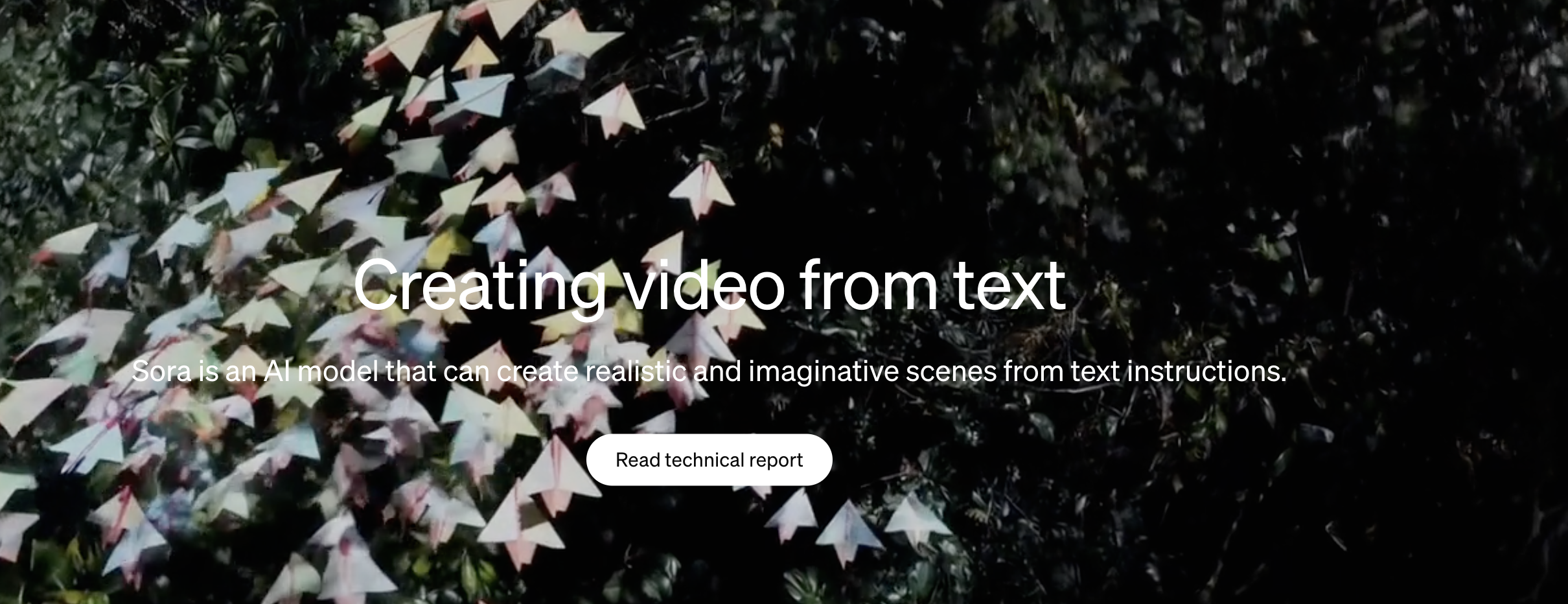
According to the Verge, OpenAI has actually been known to scrape and transcribe… over a million hours of YouTube videos to train GPT-4 and their other models like Sora.”
The Ethical Implications of AI’s Remixing
As someone deeply involved in the AI field, I believe it’s crucial to understand the ethical questions raised by AI’s inability to create original content:
- Copyright concerns: When AI uses existing content to generate new material, who owns the rights to the output?
- Attribution issues: How do we credit the original creators whose work has been remixed by AI?
- Impact on creative industries: As AI tools become more advanced, how will this affect human creators and their livelihoods?
Final Thoughts – The Future of AI and Creativity
While I’m certain that AI currently can’t create truly original content, I admit that its capabilities are constantly evolving. As technology advances, the line between remixing and creating may become increasingly blurred.
When I consider the future, I speculate, “Do I think AI will never be able to create? I’m not sure.
I can’t give a definitive answer because then we’re looking at like a Terminator-esque situation where we have AI learning from AI, and that becomes a very dangerous situation.”
While I’m impressed by AI tools’ ability to analyze and recombine existing information, I firmly believe they cannot truly create original content.
Understanding this limitation is crucial for managing expectations and using AI ethically across various industries.
FAQs
Can AI generate completely original ideas?
In my experience, no, AI cannot generate completely original ideas. It can only analyze and recombine existing information in new ways.
How do AI image generators work?
From what I’ve observed, AI image generators analyze millions of existing images and recombine elements from them to create new images based on text prompts.
Is AI-generated content copyright-free?
The copyright status of AI-generated content is a complex and evolving legal issue. I always recommend consulting with a legal professional for specific cases.
Will AI eventually be able to create original content?
While I’m uncertain, current AI technology is not capable of true creation. Future advancements may change this, but it remains a topic of debate among experts like myself.


